
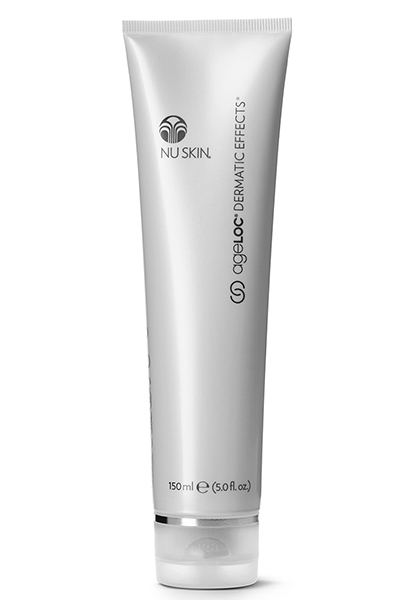
Unraveling the Formulation:
To understand the potential effectiveness of Nu Skin, a deep dive into its formulation is essential. The ingredients listed on the label provide insights into the intended benefits and the scientific basis for the product’s claims.
- Hyaluronic Acid: At the forefront of the Nu Skin formula is hyaluronic acid, a hydrating powerhouse. This compound is renowned for its ability to attract and retain moisture, thereby plumping the skin and diminishing the appearance of fine lines. The inclusion of hyaluronic acid suggests a focus on addressing one of the key contributors to aging—dehydration.
- Retinol: A derivative of vitamin A, retinol is a staple in anti-aging skincare. Its mechanism of action involves stimulating collagen production, promoting skin renewal, and reducing the visibility of wrinkles. However, retinol is not without its challenges, as it can cause sensitivity in some individuals.
- Peptides: Peptides, another integral component of Nu Skin, are amino acid compounds believed to encourage collagen synthesis. By supporting the skin’s structural proteins, peptides contribute to improved elasticity and firmness, key elements in combating the signs of aging.
- Antioxidants: The inclusion of antioxidants, such as vitamins C and E, indicates a focus on protecting the skin from oxidative stress. Free radicals, generated by factors like sun exposure and pollution, contribute to premature aging. Antioxidants work to neutralize these free radicals, promoting overall skin health.
- Botanical Extracts: Nu Skin also incorporates botanical extracts, including green tea and chamomile. These extracts bring a natural dimension to the formulation, potentially appealing to consumers seeking a more holistic approach to skincare. Beyond their antioxidant properties, botanical extracts may offer additional benefits such as soothing and calming effects.
While each ingredient in Nu Skin brings a unique contribution to the table, the synergistic effect of the entire formulation determines the product’s overall efficacy.
Scientific Support and Research:
The efficacy of skincare products often hinges on scientific validation through rigorous testing and clinical trials. In the case of Nu Skin, the challenge lies in the proprietary nature of the blend. While individual ingredients like retinol and hyaluronic acid have a well-established scientific foundation supporting their efficacy, the concentration and formulation specifics in Nu Skin‘s product are undisclosed.
Independent clinical trials on the Nu Skin formulation are notably absent from the available literature. This lack of specific research leaves a gap in the scientific understanding of how the combination of ingredients in this particular formulation interacts and delivers on its promises.
It’s worth noting that the absence of comprehensive scientific evidence doesn’t necessarily discount the effectiveness of Nu Skin. However, consumers accustomed to scrutinizing peer-reviewed studies to validate skincare claims may find themselves wanting in this regard.
Effectiveness and User Experiences:
User reviews serve as a valuable resource in gauging real-world effectiveness and satisfaction with skincare products. Nu Skin has generated a spectrum of reviews, ranging from glowing endorsements to expressions of disappointment.
- Positive Experiences:
Users who report positive experiences often highlight visible improvements in skin texture and a reduction in the appearance of fine lines and wrinkles. Some attribute a more youthful complexion to the consistent use of Nu Skin.
It’s important to note that individual responses to skincare products can be highly subjective. Factors such as skin type, pre-existing skin conditions, and adherence to a skincare routine can significantly influence outcomes.
- Negative Experiences:
On the flip side, negative experiences with Nu Skin commonly revolve around skin irritation and redness. Some users report sensitivity to the product, necessitating a cautious and gradual introduction into their skincare regimen.
Adverse reactions are not uncommon in the realm of anti-aging skincare, especially when potent ingredients like retinol are involved. The challenge lies in finding a balance between efficacy and tolerability for a diverse range of skin types.
Additionally, disappointment may stem from unmet expectations. Skincare is not a one-size-fits-all endeavor, and what works for one person may not yield the same results for another.
Pros and Cons Analysis:
To provide a comprehensive overview, let’s systematically analyze the pros and cons of Nu Skin:
Pros:
- Hydration Emphasis: The inclusion of hyaluronic acid emphasizes a commitment to addressing skin dehydration, a foundational aspect of maintaining a healthy and youthful appearance.
- Blend of Active Ingredients: Nu Skin incorporates a blend of well-known anti-aging ingredients, suggesting a comprehensive approach to addressing multiple facets of skin aging.
- Antioxidant Protection: The inclusion of antioxidants contributes to the product’s potential to protect the skin from environmental damage, promoting long-term skin health.
- Natural Extracts: Botanical extracts, such as green tea and chamomile, add a natural touch to the formulation. For consumers seeking plant-based skincare solutions, this can be a compelling aspect.
- Visible Results: Positive user experiences include visible improvements in fine lines and wrinkles, supporting the product’s claims of efficacy for certain individuals.
Cons:
- Individual Variability: Skincare is inherently subjective, and individual responses to products can vary significantly. What works wonders for one person may not yield the same results for another.
- Potential for Adverse Reactions: Reports of skin irritation and redness highlight the importance of cautious use, especially for individuals with sensitive skin. Patch testing is advisable to mitigate the risk of adverse reactions.
- Limited Scientific Evidence: The lack of specific studies on the Nu Skin formulation raises questions about its overall effectiveness and long-term benefits. For consumers accustomed to evidence-based skincare, this can be a significant drawback.
- Premium Price Point: Nu Skin is positioned as a premium product, potentially limiting accessibility for budget-conscious consumers.
- Proprietary Formulation: The proprietary nature of the formulation can be a drawback for consumers who prefer transparency and detailed information about the concentration of active ingredients.
Conclusion:
Nu Skin enters the fiercely competitive market of anti-aging skincare with a blend of ingredients that individually have proven benefits. The emphasis on hydration, the inclusion of antioxidants, and the natural touch brought by botanical extracts align with contemporary skincare trends.
Positive user experiences suggest that, for some individuals, Nu Skin delivers on its promises, resulting in smoother, more youthful-looking skin. However, the diversity in user responses, coupled with the limited scientific evidence on the specific formulation, raises important considerations for potential consumers.


